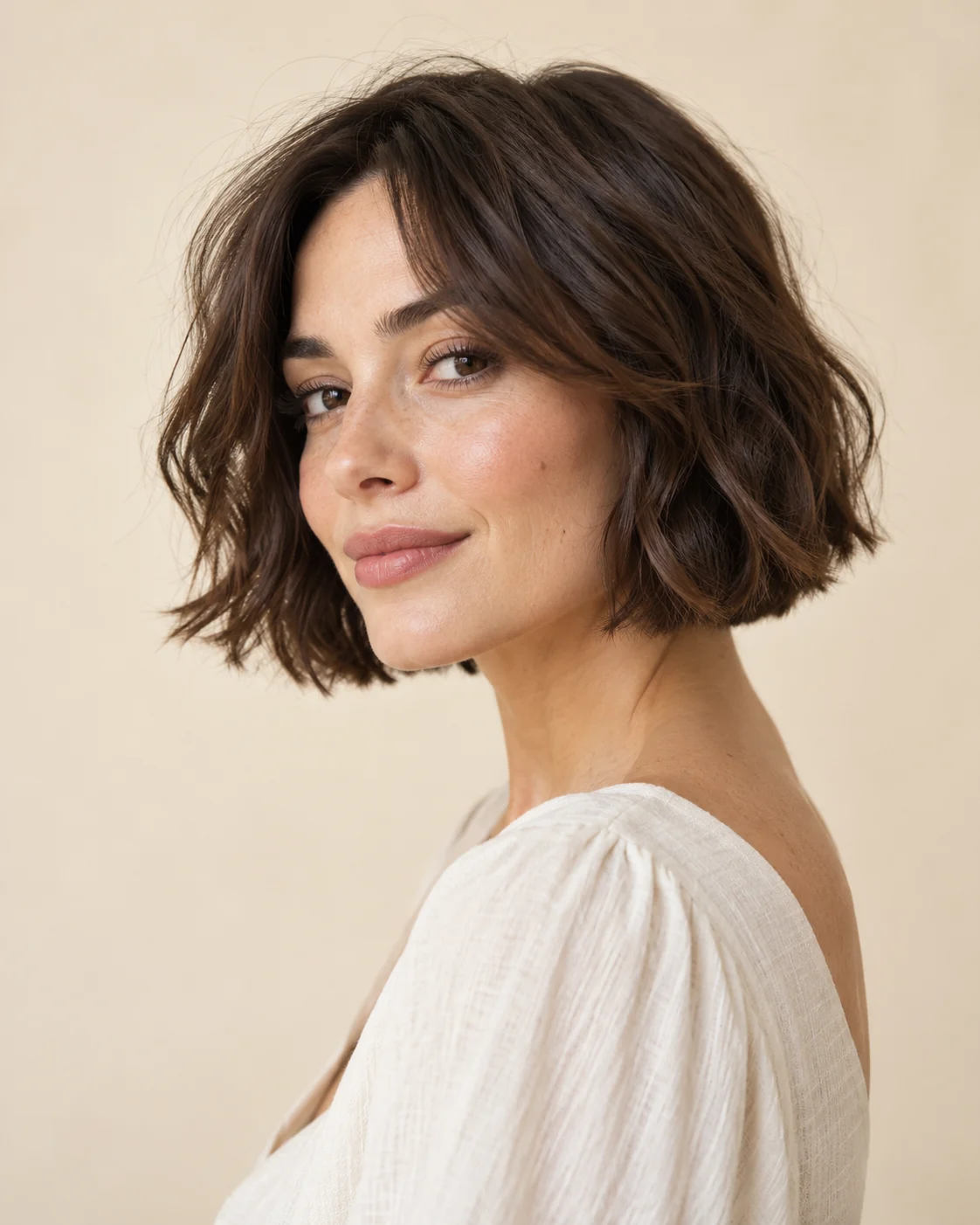
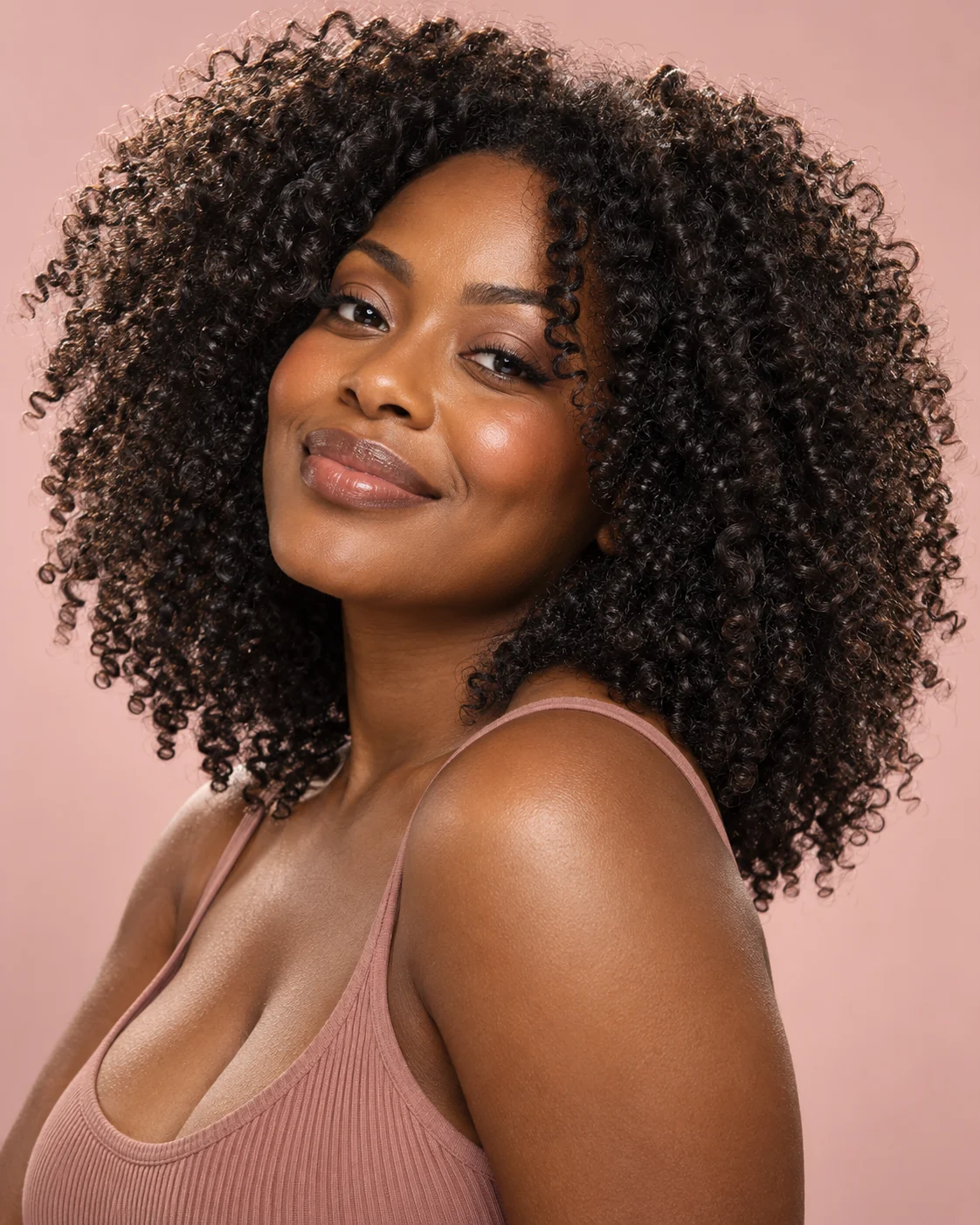
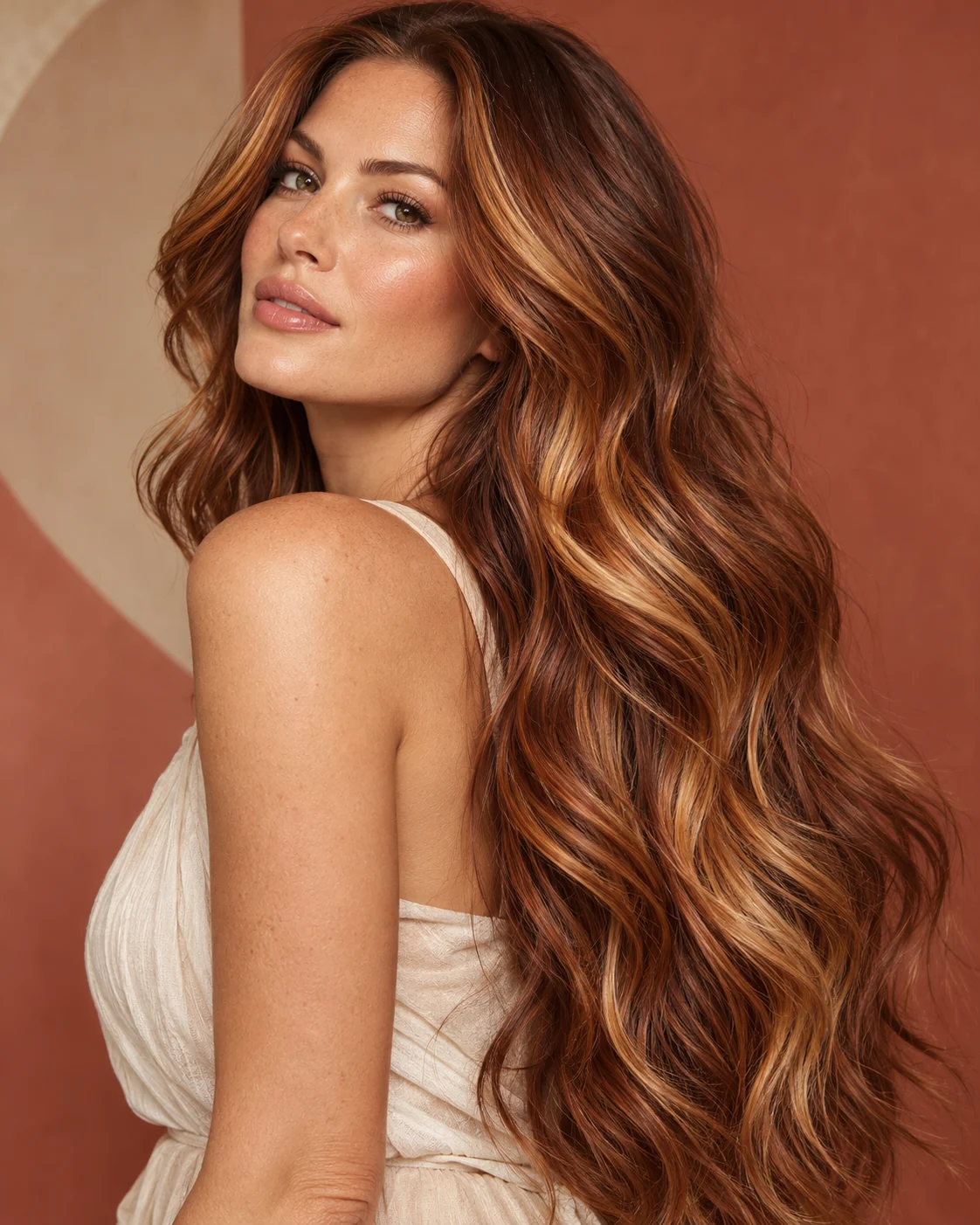
A great bob is about the line, texture, and styling rhythm you enjoy—not using hair to hide your face or body.
- Choose the baseline you want to emphasize: jaw, chin, shoulders, or collarbone.
- Decide whether you prefer a full outline or airy layered movement.
- Match the finish to the texture you wear most often.
- Set an honest trim and daily styling budget before committing.
01
Soft layered collarbone bob
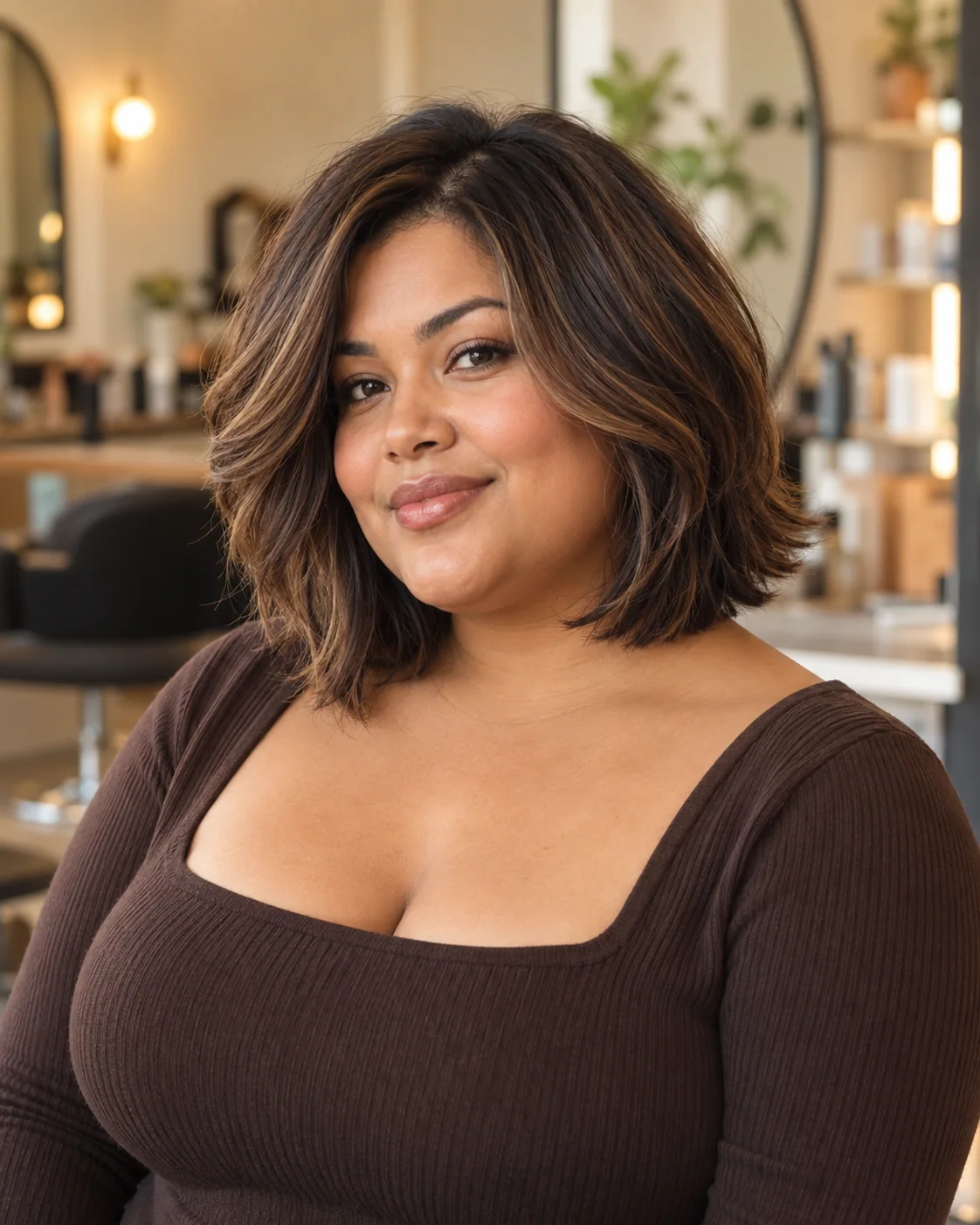
This is the most forgiving entry point if you want the freshness of a bob without losing every styling option. The perimeter sits close to the collarbone while long layers release movement through the sides. The result feels polished, but it can still be tucked, waved, or gathered into a short ponytail.
Keep the shortest face-framing piece below the cheekbone if you want a gentle sweep rather than a sharply layered effect. Fine hair benefits from fewer layers; dense hair can take more internal weight removal.
Ask for: a collarbone-length perimeter, long face framing, and enough internal layering for movement without thinning the ends.
02
Sleek chin-length blunt bob
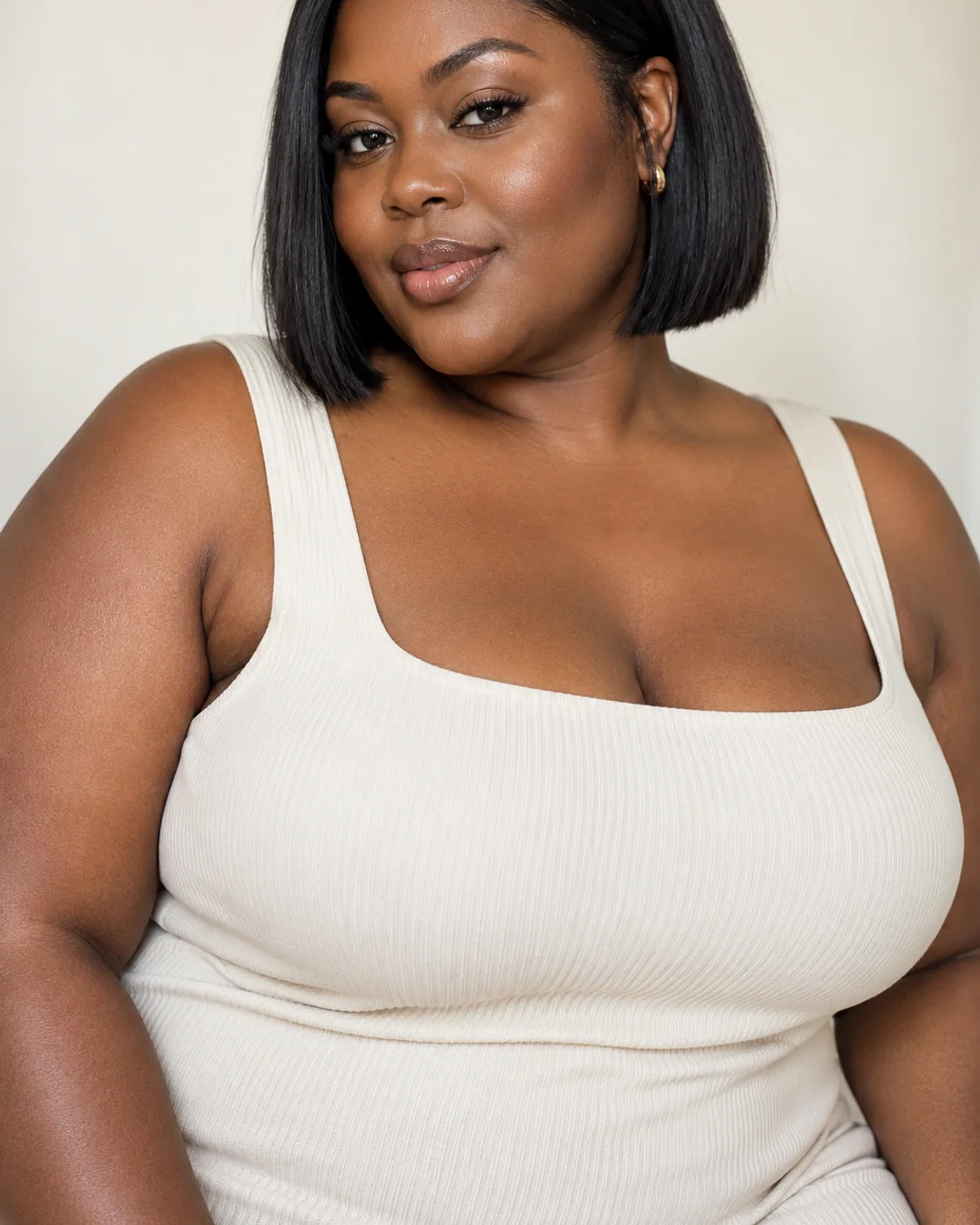
A blunt bob creates a confident outline and makes the ends look substantial. The chin-length line is especially effective when you want the haircut itself to act like an accessory. A center part gives the shape symmetry; a side part makes it feel softer and less graphic.
This finish needs the right preparation. Use heat protection, smooth in small sections, and finish with a light serum rather than heavy oil. If your hair is naturally textured, discuss whether you want the cut balanced for straight styling, natural texture, or both.
Ask for: a one-length chin bob with minimal graduation and a dry perimeter check in your usual parting.
03
Modern asymmetrical bob
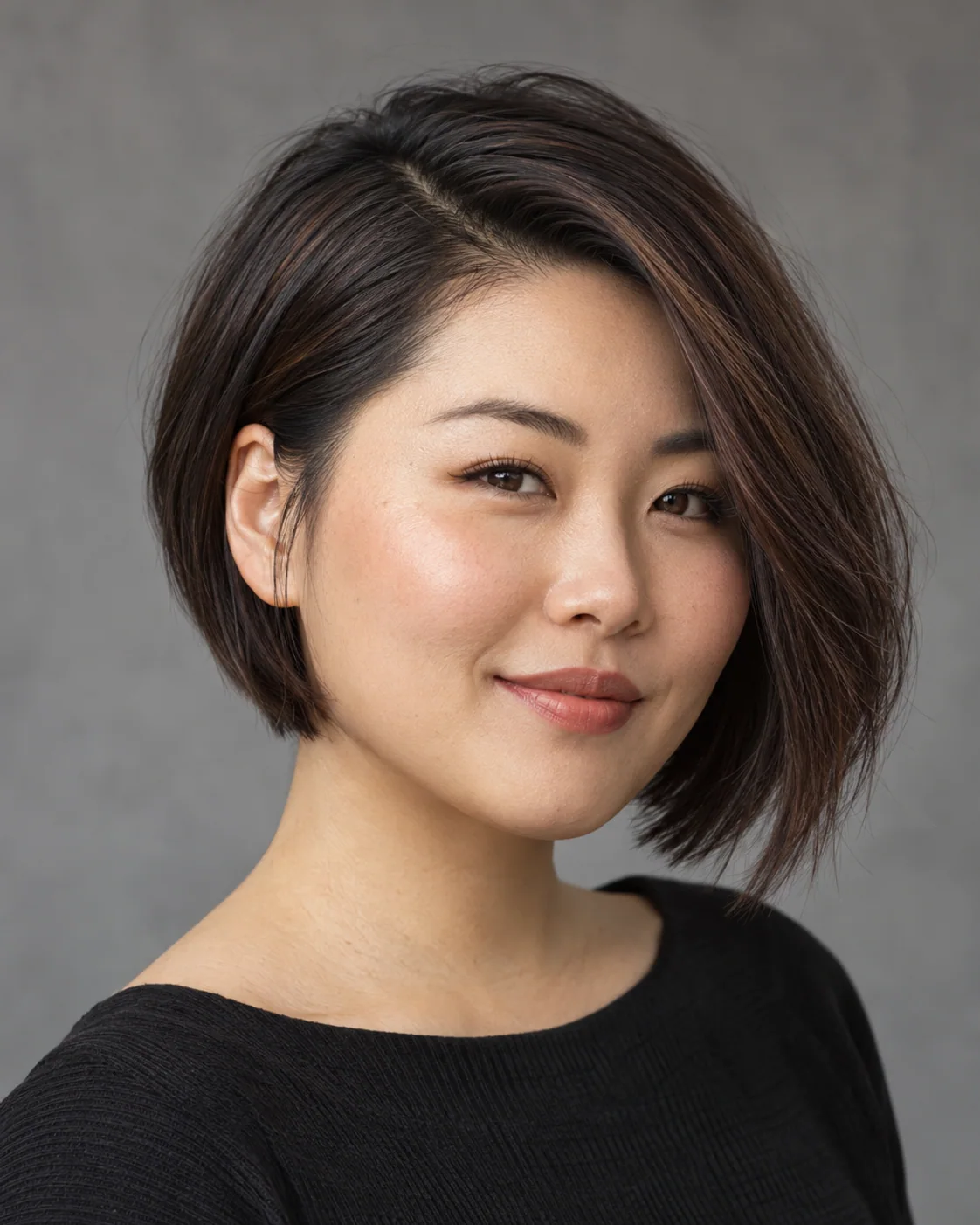
An asymmetrical bob offers drama without requiring bright color or complicated styling. One side lands at the jaw while the opposite side extends lower, creating a diagonal line that looks different from every angle. The strongest versions are deliberate but not extreme.
Talk through the length difference before cutting. One to two inches is usually enough to show the idea while keeping the shape wearable. This style looks sleek when straight, but a soft bend can make the difference in length feel more relaxed.
Ask for: a subtle diagonal baseline with the longer side chosen around your preferred part and tuck.
04
Curly rounded bob
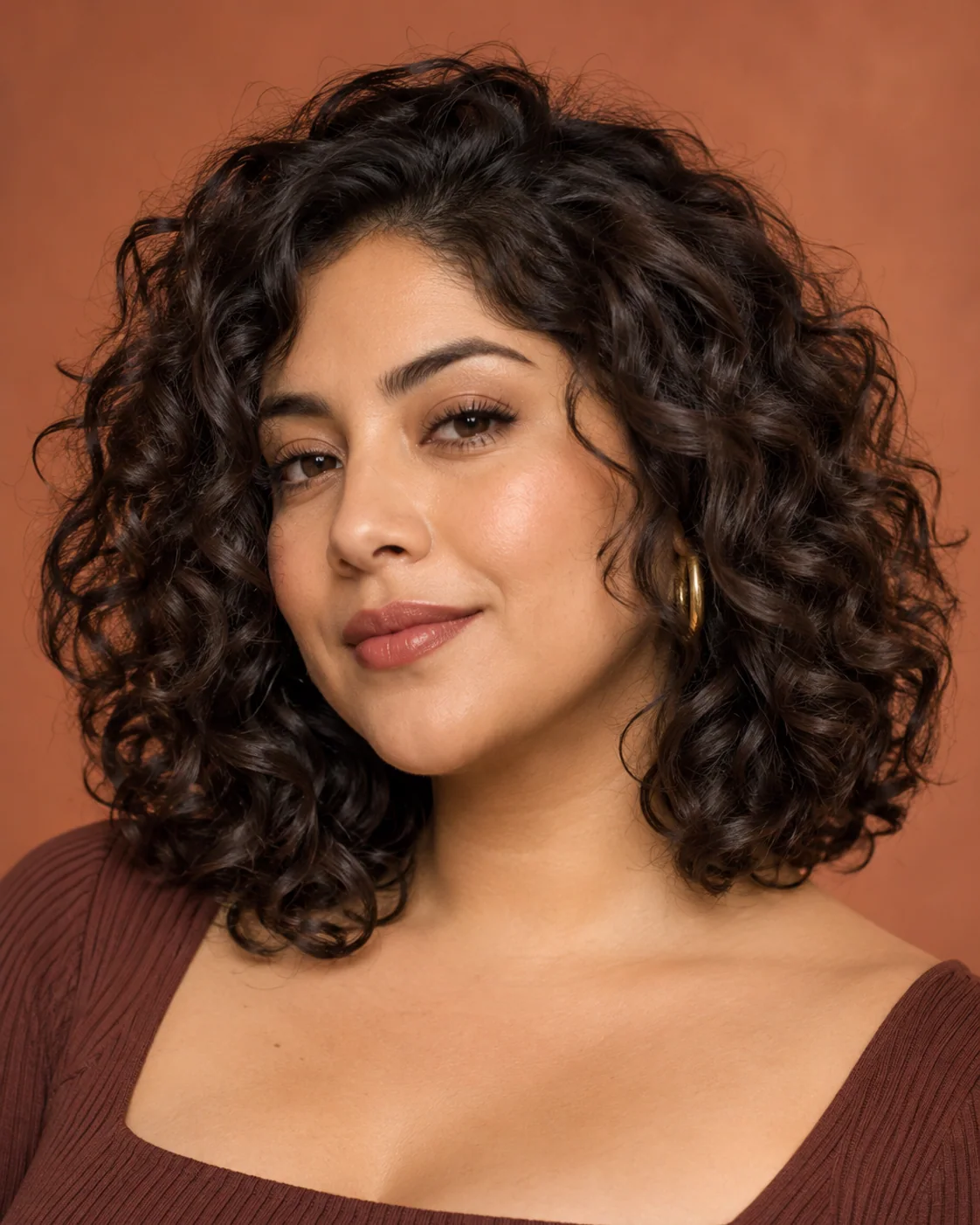
A rounded curly bob celebrates width and volume instead of trying to flatten them. The key is layered balance: shorter pieces support the crown while the lower curls keep enough weight to prevent the shape from becoming too top-heavy.
Choose the finished dry length with shrinkage in mind. A curl-by-curl check helps refine the outline, especially around the temples and jaw. Style with a lightweight leave-in and gel, then diffuse without repeatedly touching the curls.
Ask for: a dry, rounded bob with crown support, preserved curl groups, and a finished length agreed on after shrinkage.
05
Textured pixie-bob
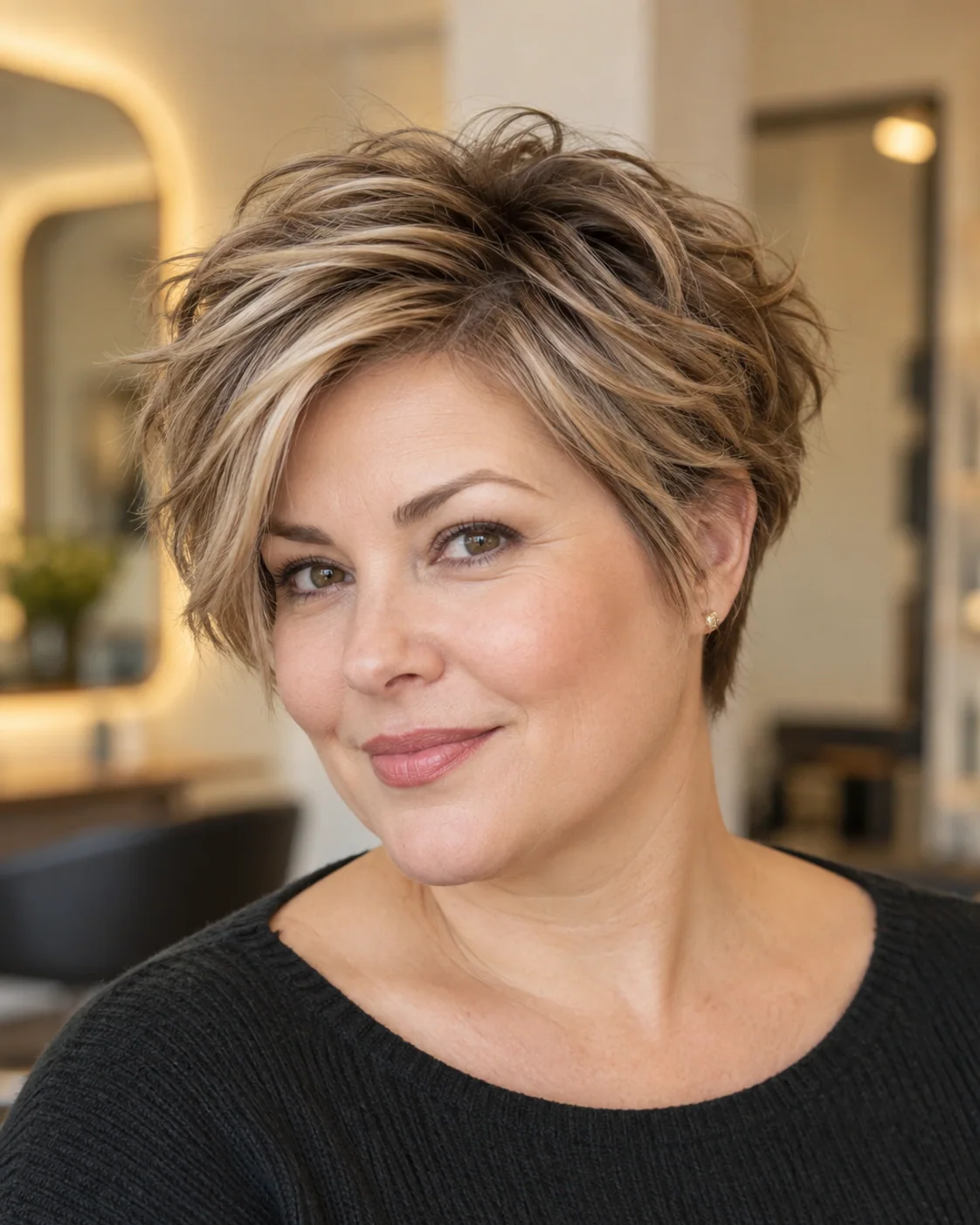
The pixie-bob sits between a cropped cut and a classic bob. A tapered nape keeps the outline clean while longer layers at the crown create softness and styling freedom. Sweep them forward, lift them with texture paste, or tuck the sides for a sharper finish.
This option is ideal when you want a short statement without giving up movement. The nape and sides show growth sooner, so the maintenance schedule is more frequent than a collarbone bob.
Ask for: a softly tapered nape, connected sides, and enough crown length to create lift or a side-swept finish.
06
French bob with wispy bangs
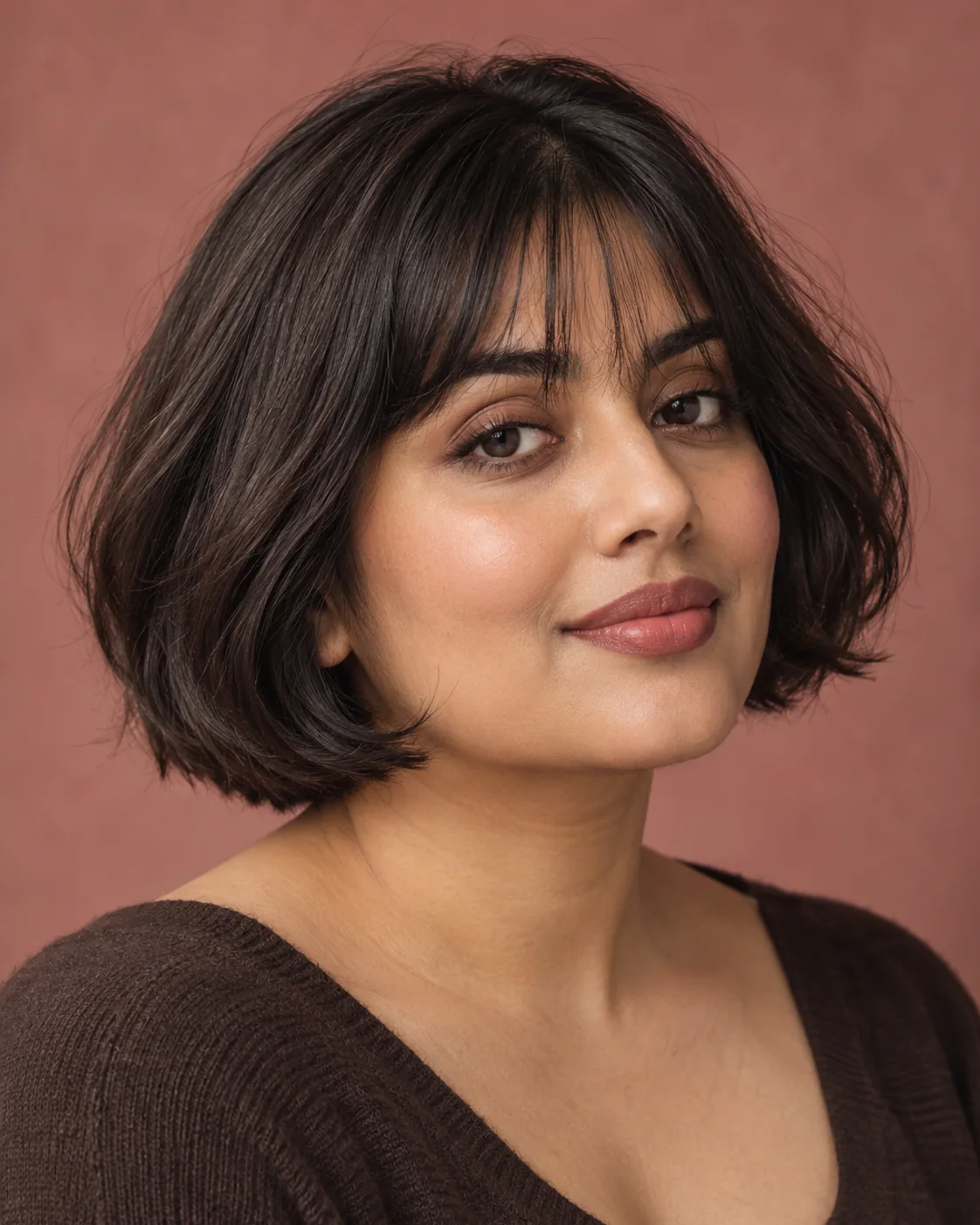
A compact French bob makes a strong impression, while light bangs keep the front soft and touchable. The fringe should feel separate enough to move but connected enough that it does not look pasted onto the haircut.
Wispy bangs are lighter than a full fringe, yet they still require regular styling and trims. If your forehead or fringe becomes oily quickly, dry shampoo at the roots can extend the shape between washes.
Ask for: a jaw-length full baseline with a light, piecey fringe that blends into the front corners.
07
Stacked bob with crown volume
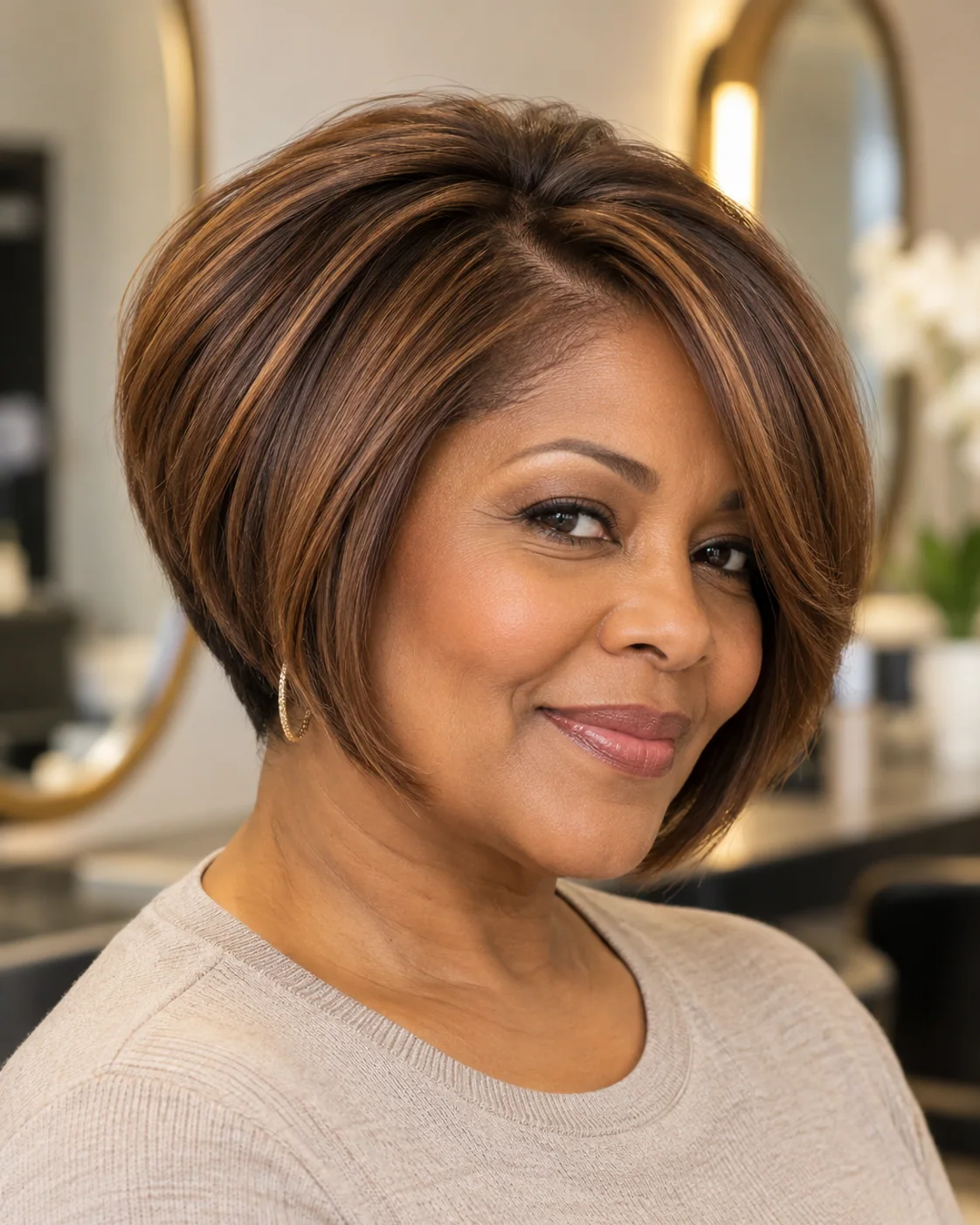
A stacked bob uses graduated layers through the back to create a rounded profile and natural lift at the crown. The front can remain slightly longer, giving the style a smooth line from the side while keeping the nape neat.
The shape works especially well for hair that holds a blowout. Avoid excessive stacking if your hair expands easily; a gentler graduation can create lift without producing too much bulk.
Ask for: soft graduation through the back, a clean nape, and front length that remains easy to tuck.
08
Soft wavy lob
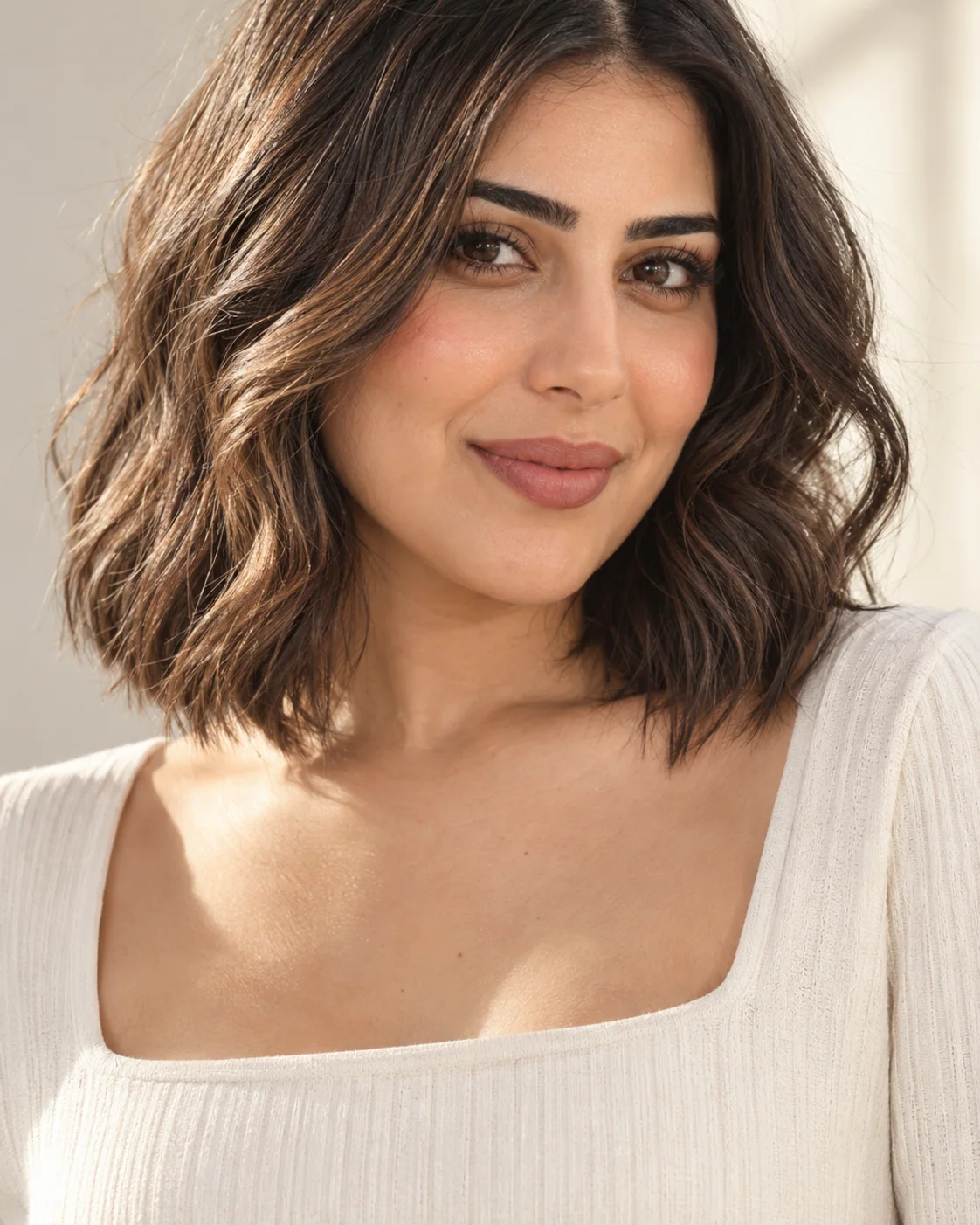
The long bob—or lob—delivers the visual impact of a bob with more flexibility. Its collarbone length leaves room for waves, half-up styles, and a small ponytail. Loose bends add width and light without making the finish look overly styled.
Alternate the direction of your waves and leave the ends straighter for a modern result. If your hair is fine, keep the perimeter fairly solid so the ends continue to look full.
Ask for: a collarbone lob with subtle internal movement and minimal thinning at the perimeter.
09
Polished angled bob
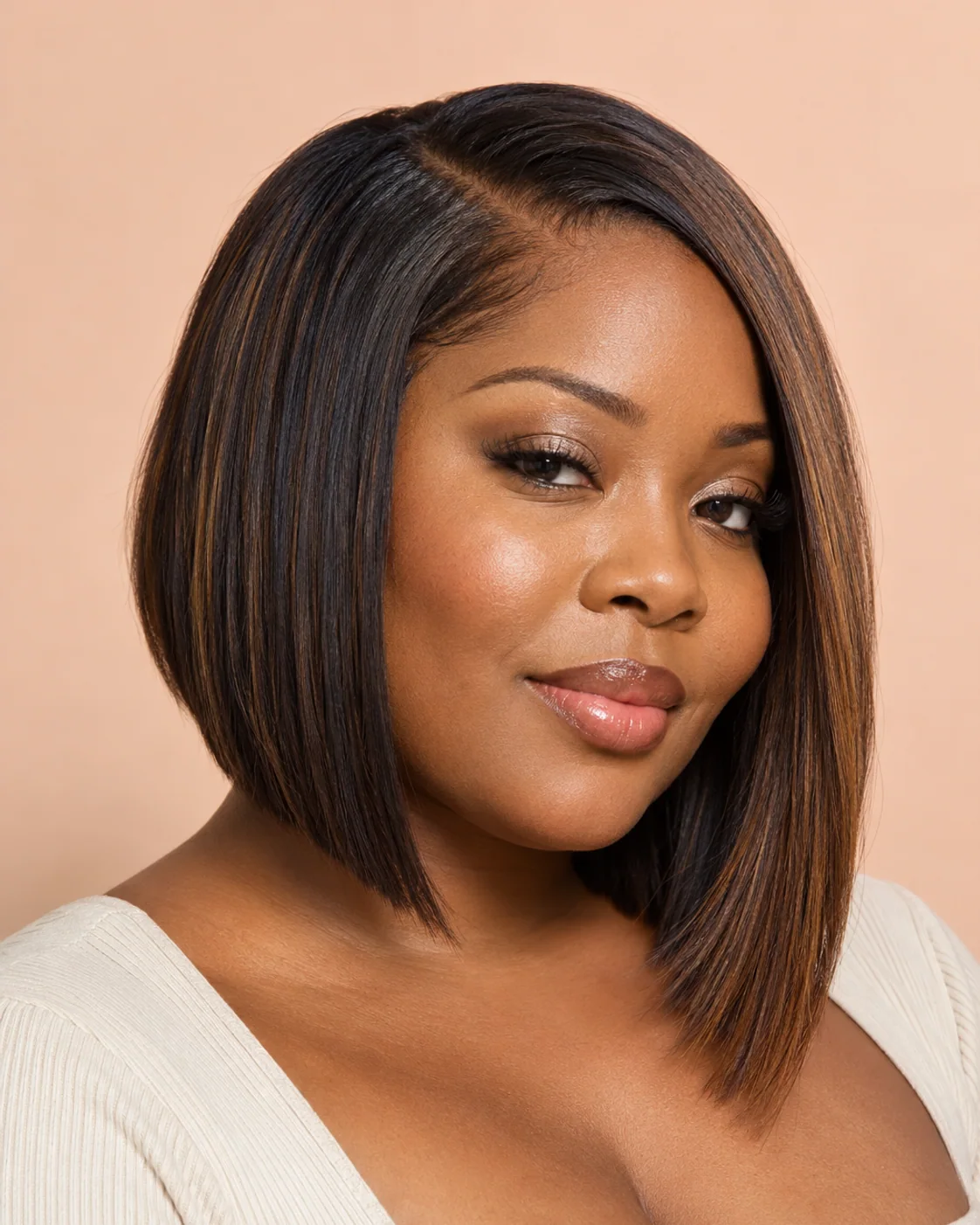
An angled bob is shorter at the back and gradually longer toward the front. The forward movement creates a striking side profile while the longer pieces around the face preserve softness and styling options.
Keep the angle gradual for a timeless result. A very steep line can require more heat styling and more frequent reshaping. The cut looks best when the back and front are clearly connected rather than reading as two different haircuts.
Ask for: a connected A-line bob with a subtle rise at the back and front pieces that land below the chin.
10
Shaggy bob with curtain bangs
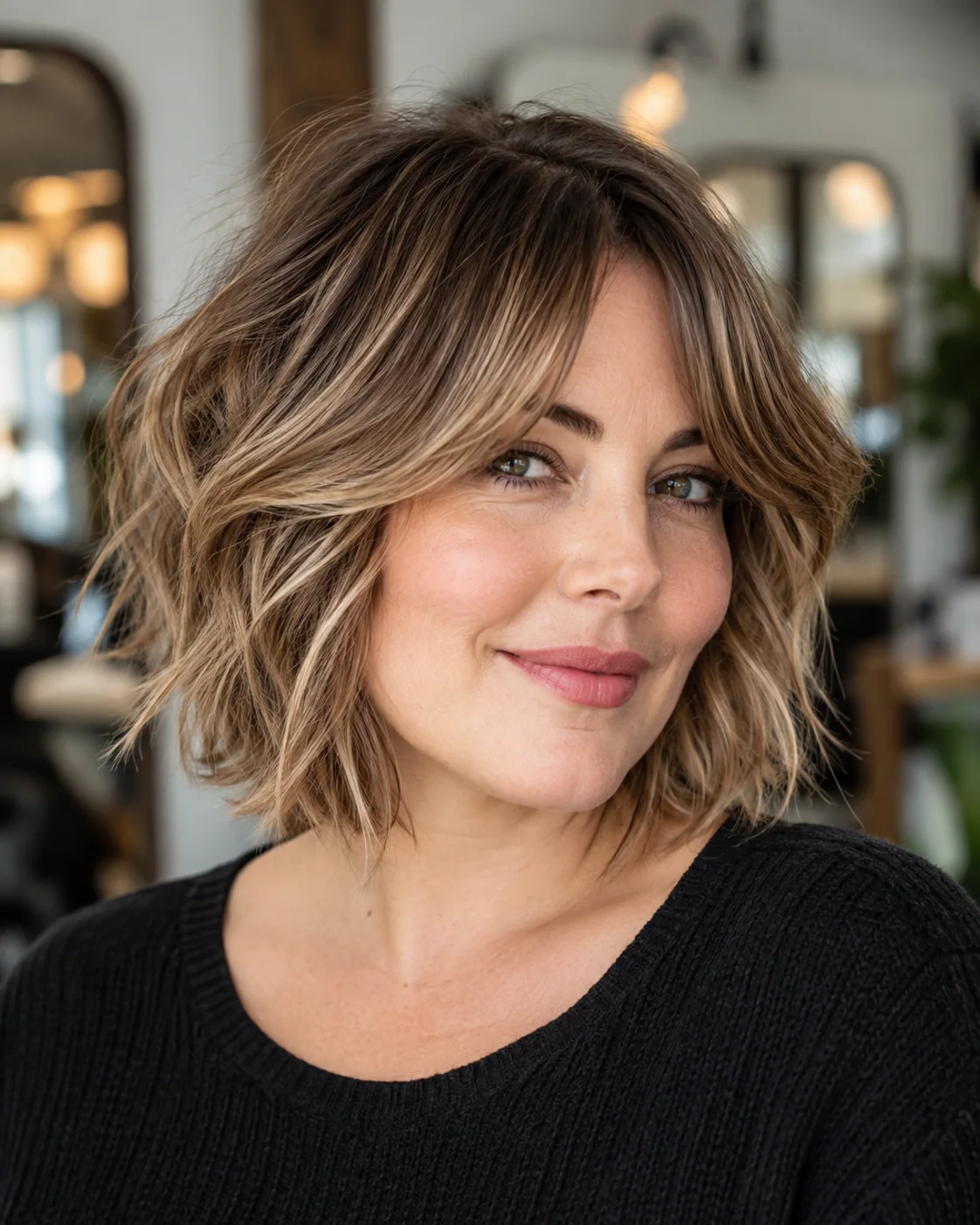
A shaggy bob exchanges a perfect outline for movement and personality. Layers begin higher around the crown, while curtain bangs open through the center and connect into the sides. It is especially useful when you like volume without a polished blowout.
The cut depends on intentional texture, not random thinning. Ask your stylist to preserve enough weight at the bottom so the shape still reads as a bob when it air-dries.
Ask for: crown movement, curtain fringe, and broken-up ends with a visible bob perimeter.
11
Box-braid bob
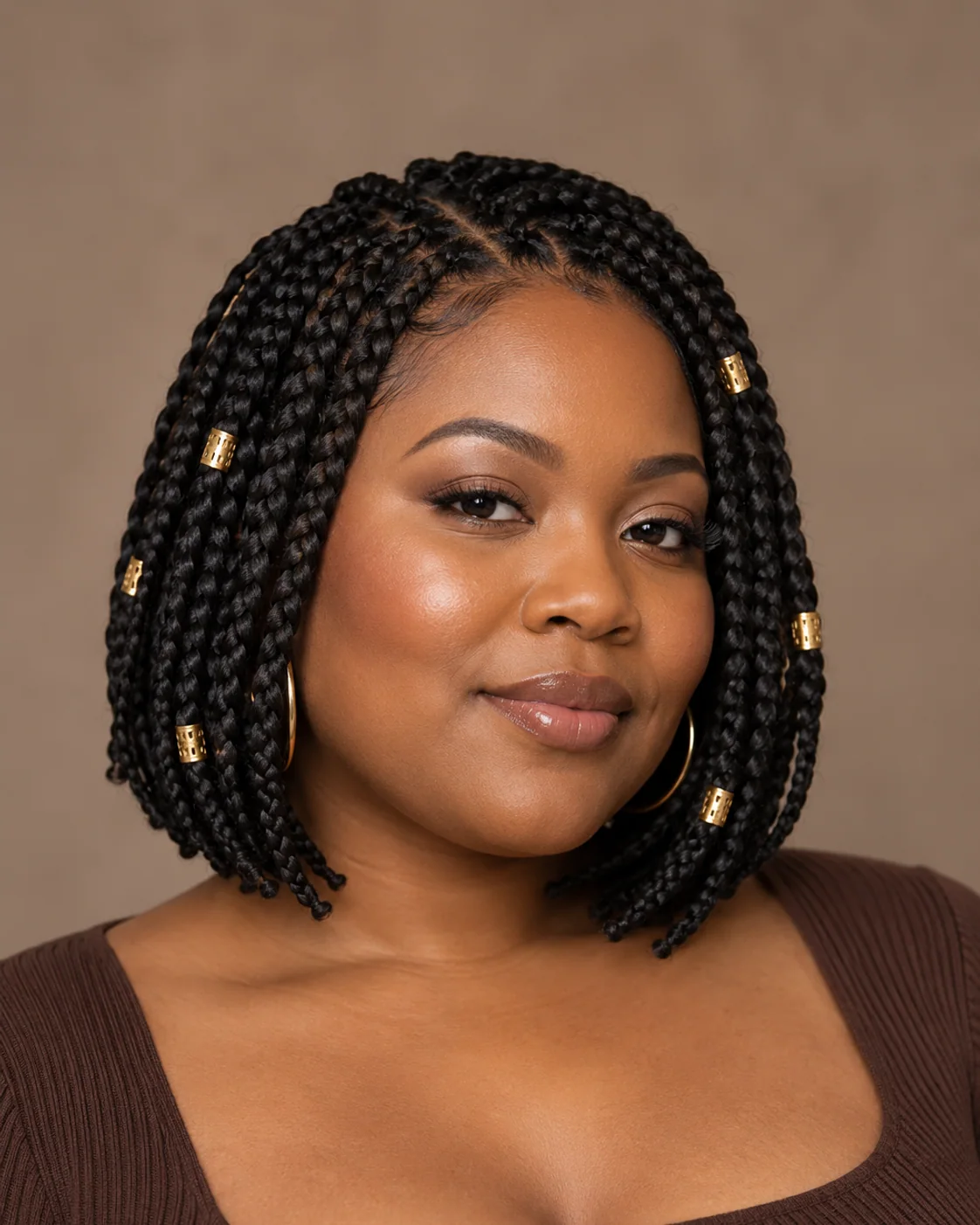
A box-braid bob creates a clear shape without requiring a haircut. Jaw- or chin-length braids feel light, graphic, and easy to accessorize. The ends can be sealed cleanly, softly curled, or finished with small cuffs for detail.
Comfort matters more than density. Ask for parting and braid size that do not place unnecessary tension on your scalp or edges. Protect the style at night with a satin scarf or bonnet and cleanse the scalp gently.
Ask for: a lightweight bob length, comfortable braid size, low-tension edges, and an even finished line.
Good to know
Bob hairstyle FAQs
Which bob is lowest-maintenance?
A collarbone lob with minimal layering usually offers the easiest grow-out and the most styling flexibility. Very short, blunt, or stacked shapes need more frequent trims to preserve their outline.
Do plus-size women need a bob that makes the face look slimmer?
No. Hair does not need to disguise your face or body. Choose width, length, fringe, and texture based on the look you enjoy and the styling routine you want.
Can a bob work with curly or coily hair?
Absolutely. The cut should account for shrinkage, density, and the way you normally define or stretch your texture. Agree on the dry finished shape before cutting.
What should I bring to my appointment?
Bring front, side, and back references plus at least one image with texture and density similar to yours. Point out the exact baseline, fringe, volume, and finish you want to discuss.